
Tier On Tier Shutters
Perfect balance of
light, privacy, and flexibility
throughout the day
Tier-on-tier shutters offer the ultimate flexibility in light control and privacy, making them one of the most versatile shutter styles for any home. Designed with independently opening top and bottom panels, they allow you to let in natural light while maintaining privacy where needed.
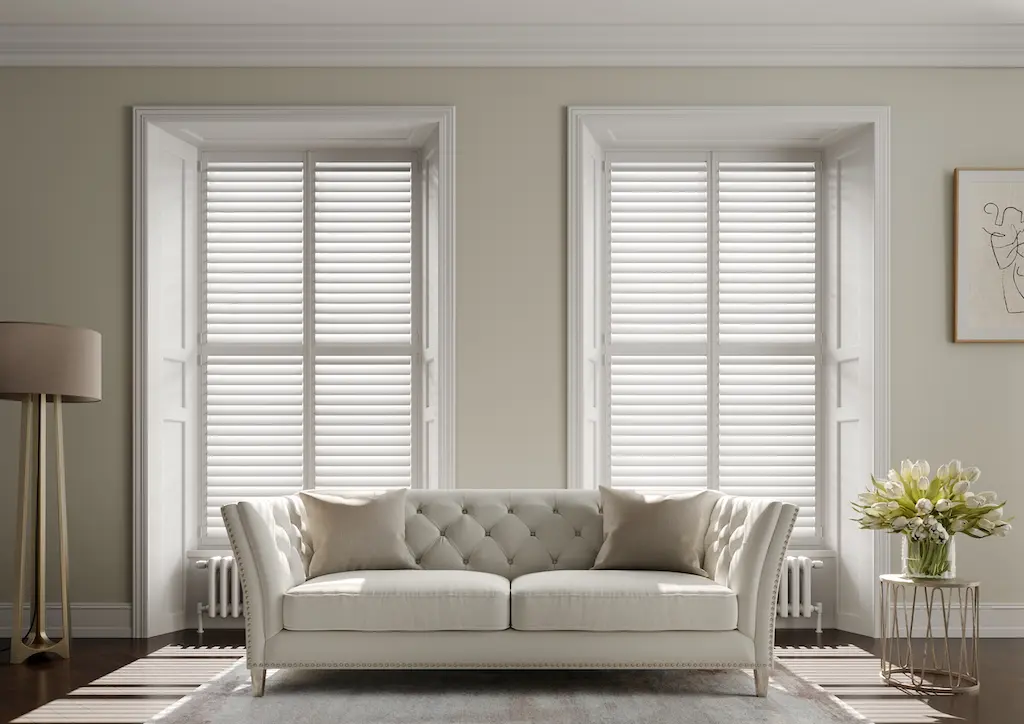
800×1000px — faux wood shutters

What Are Tier On Tier Shutters
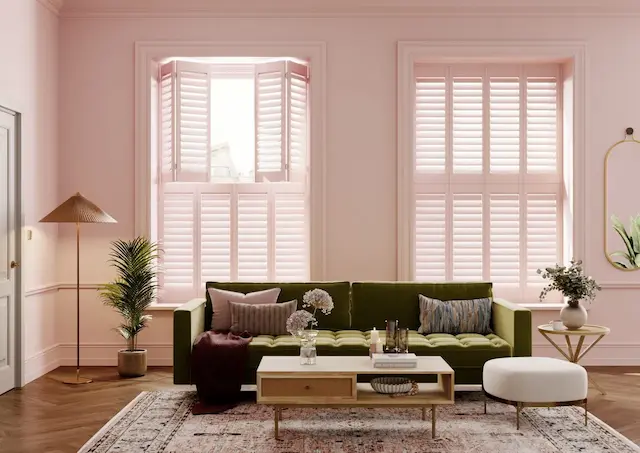
Tier-on-tier shutters feature independently operated top and bottom panels, giving you complete control over light and privacy. Open the top for natural light while keeping the bottom closed for privacy—making them a versatile choice for both front-facing rooms and flexible living spaces.
Why Choose Tier On Tier Shutters
Tier-on-tier shutters are perfect for flexible light and privacy control throughout the day. With independently opening top and bottom panels, they adapt to your needs while keeping rooms bright while maintaining privacy, making them ideal for street-facing windows and versatile living spaces.
Independent upper and lower panels
The upper and lower tier are mounted separately on their own hinges, with a mid-rail dividing the window at the central glazing bar or at a height you choose. Each tier opens, closes, and tilts completely independently — giving you four distinct operating combinations from one window covering.
Privacy without sacrificing daylight
Keep the lower tier closed against street-level sightlines whilst the upper tier stands fully open — or tilt both sets of louvres to angle light into the room without revealing the interior. It's the same privacy-and-light balance that makes café style popular, but with full control over the top half too.
The right fit for tall sash windows
Tier-on-tier shutters were designed with tall Georgian and Victorian sash windows in mind. The mid-rail naturally aligns with the sash meeting rail, so the division looks deliberate rather than imposed. Each tier is made to measure for the exact height of its portion of the window.
Fully cord-free operation
Both tiers operate by hand — panels fold open on stainless steel butt hinges and louvres tilt via individual tilt rods, one per tier. There are no cords, chains, or motorised components anywhere in the system, making tier-on-tier shutters fully compliant with current UK child safety regulations.
Made to measure for each tier
Upper and lower panel heights are measured independently and cut to exact dimensions. The mid-rail position is set to your window's proportions — typically at the glazing bar, but adjustable to suit your preference. Louvre size (47mm, 63mm, or 76mm) is chosen per tier or matched across both.
One cohesive look, full window height
Unlike café style — which leaves the top pane bare — tier-on-tier shutters cover the entire window. Both tiers use the same frame profile, louvre size, and paint finish, so they read as a single unified installation. The mid-rail is part of the design, not an interruption to it.
How Tier On tier shutters work
Two entirely separate shutter panels occupy the same window opening, divided at a mid-rail. Each tier has its own hinge system and tilt rod — they share a frame but operate completely independently of each other.
The full-height L-frame and mid-rail
A continuous L-shaped frame is fitted to the inner face of the window reveal from top to sill. A horizontal mid-rail divides the frame at the chosen split point — typically at the existing glazing bar on a sash window. The mid-rail carries separate hinge knuckles on both its upper and lower faces, one set for each tier of panels.
Independent panel hinging
The upper panels hinge from the top of the frame and the underside of the mid-rail. The lower panels hinge from the top of the mid-rail and the sill frame. Each set of panels can be folded back independently on stainless steel butt hinges — opening one tier has no effect on the other, and each panel swings a full 180° to sit flat against the wall return.
Separate tilt rods per tier
Each tier has its own central tilt rod — a vertical bar linked to every louvre in that panel set. Pushing the upper tilt rod rotates the upper louvres; the lower tilt rod controls the lower louvres entirely separately. This means you can tilt the upper louvres open for daylight whilst the lower louvres remain closed flat for privacy — or any other combination.
Louvre size and split-point options
Louvres are available in 47mm, 63mm, and 76mm widths and are matched across both tiers for a consistent look. The split point is set at survey — most customers align it with their sash meeting rail or the horizontal glazing bar, but it can be positioned higher or lower to adjust the visual proportions of the two tiers.
How Our Shutter Service Works
We like to do things a bit differently. No hidden costs, no confusing small print, just clear, upfront pricing. Plus, with the UK’s most thorough price beat promise, you’ll always know you’re getting the best deal.
Book An Appointemt
Book a FREE in-home appointment with your local Shutterly Fabulous specialist
Free Home Visit
Your local Shutter Specialist will measure up, explore design options, and provide a tailored quote.
Installation Day
The same Specialist returns to install. All you have to do is sit back, relax, and enjoy the fabulous transformation.
Tier On Tier SHUTTER FAQS
What rooms and windows are tier-on-tier shutters best suited to?
Tier-on-tier shutters suit tall windows where both privacy and light control matter simultaneously — front-facing living rooms, ground-floor dining rooms, and period homes with full-height sash windows are the most common applications. They're ideal when you want the coverage of full-height shutters but the privacy flexibility of café style in the same window.
How do I clean tier-on-tier shutters?
Wipe each louvre with a lightly damp microfibre cloth, working across from one end. Open the tilt rod fully to horizontal first so you can reach both faces of each louvre. Clean the upper tier first, then the lower. Dust regularly with a dry cloth or dusting brush — weekly on busy windows keeps the louvre joints moving freely.
Can tier-on-tier shutters be fitted to a bay window?
Yes. Café style shutters are completely cord-free — there are no hanging cords or chains at any point. The panels open by hand on hinges, and the louvres are adjusted via the rigid tilt rod. This means they meet current UK child safety regulations without any additional accessories or breakaway connectors.
Which louvre size works best for tier-on-tier shutters?
63mm louvres are the most common choice — they work in proportion with most window heights and give a good view-through when open. On taller windows (1.8m+), 76mm louvres can look better in the upper tier and maximise light when open. Avoid 76mm in shorter lower panels, where the slat count drops low enough to look sparse.